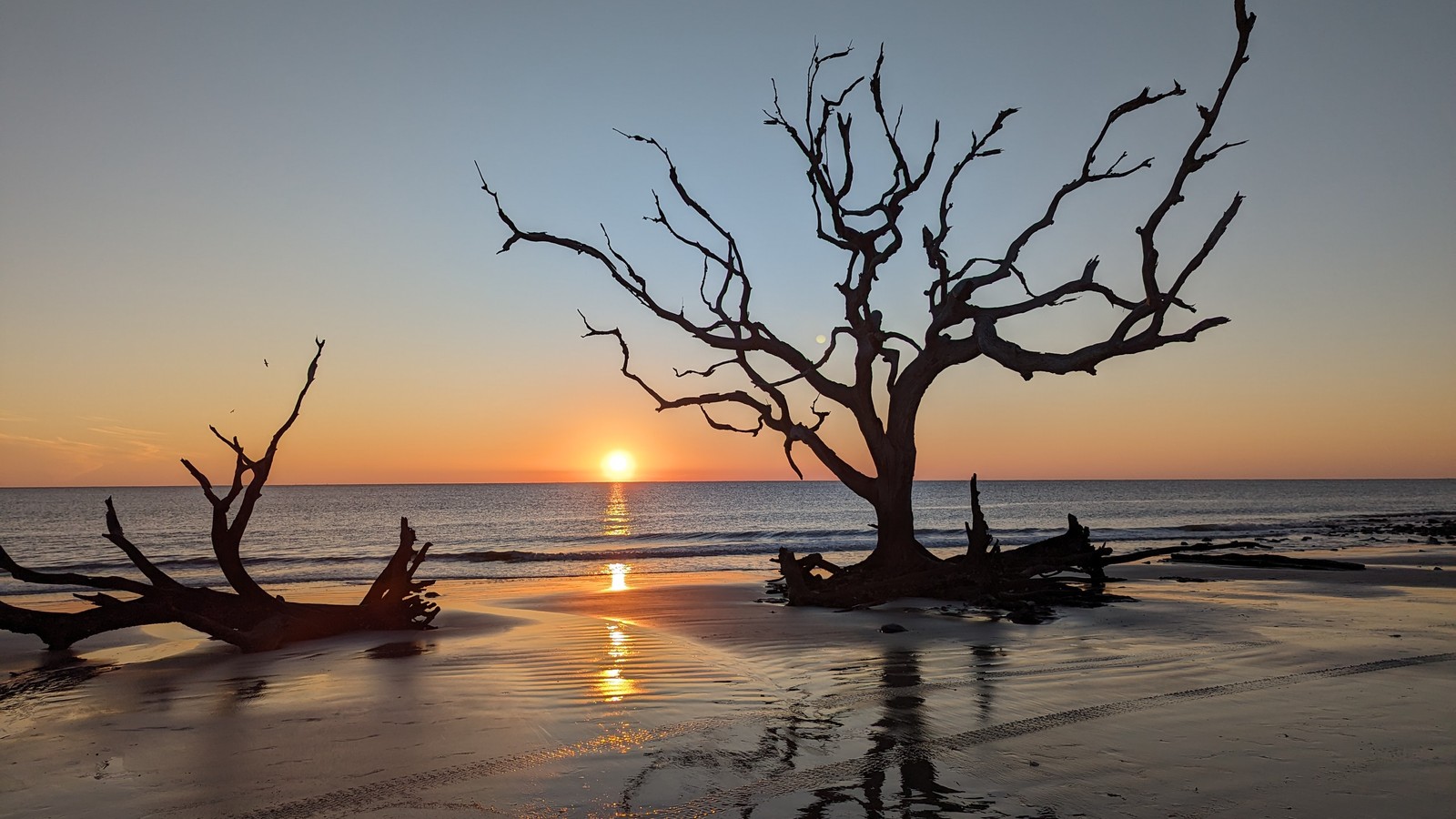
Jekyll Island State Park gives you a Georgia coast trip with a lot more range than a standard beach stop. The island has 10 miles of shoreline, more than 24 miles of bike paths and trails, a 240-acre National Historic Landmark District with 34 historic structures, and enough natural variety to keep the day feeling fresh from sunrise through late evening. You can start with driftwood on the sand, roll into a long ride under the oaks, spend the afternoon around club-era cottages and chapels, and still have time for a final boardwalk walk with the ocean in front of you.
That mix is what makes the island memorable. Some Georgia state parks pull you fully into woods or fully into water. Jekyll moves between beach, marsh, maritime forest, and history in a way that keeps each part of the trip feeling close to the next one. The setting also carries real depth. The island was purchased by the state in 1947 and opened to the public as a state park in 1948, so the place you explore today combines a long coastal past with an easy public-access rhythm.
It also helps that logistics stay simple. A $10 daily parking pass gets your vehicle onto the island, and once you are there, the layout invites you to settle in and keep exploring at your own pace. If you want a coastal park day that can grow into beaches, paths, historic sites, sea turtle exhibits, golf, or a multi-day stay, Jekyll Island makes that feel very natural.
Driftwood Beach Feels Like The Island's Signature Scene
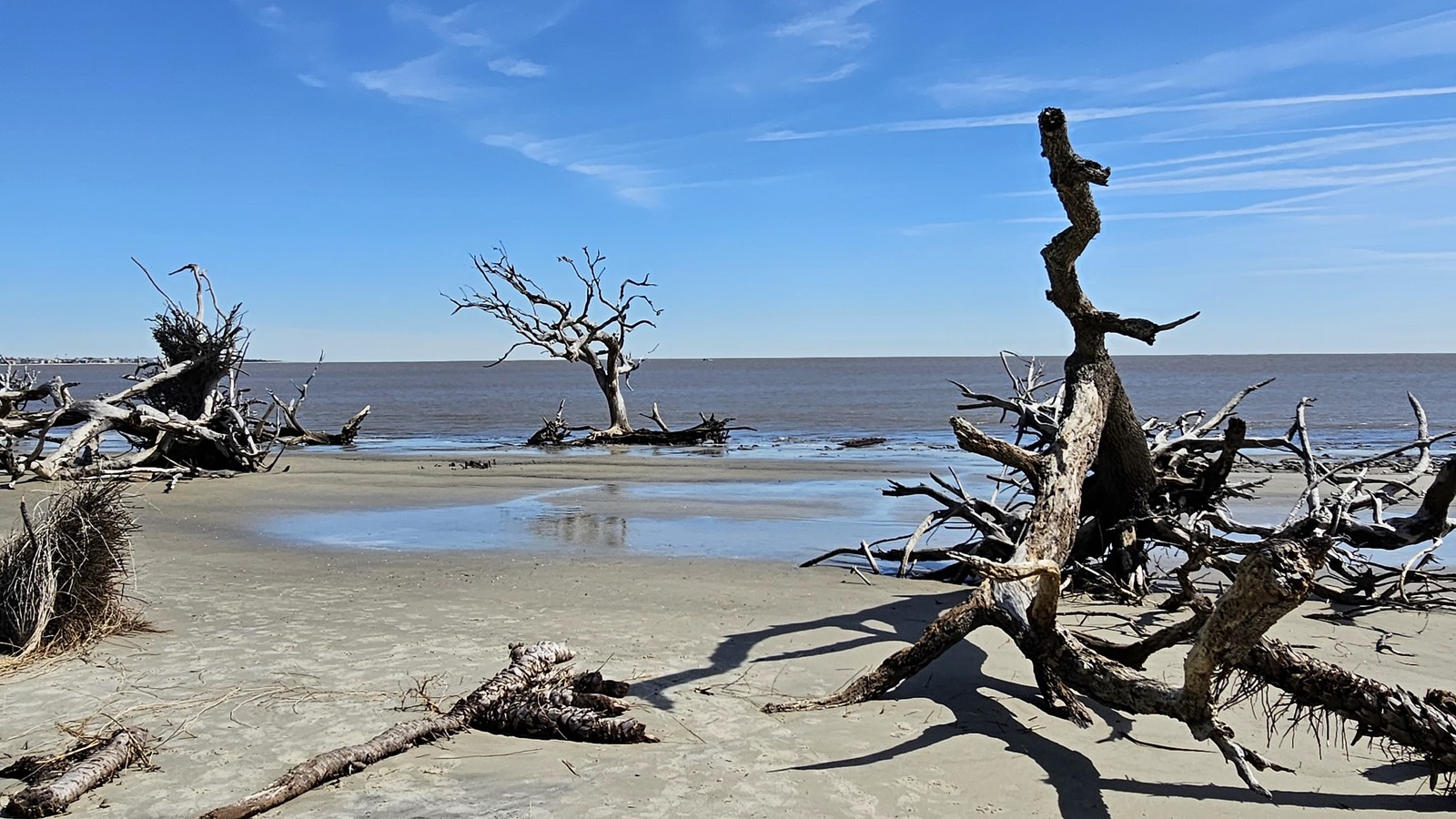
Driftwood Beach earns the attention it gets because the shoreline really does feel transformed here. Sun-bleached trunks and root systems rise out of the sand like sculptures, the water opens up around them, and the whole beach carries a dramatic shape that changes with the light. Early in the day, the place feels bright and spacious. Closer to sunset and sunrise, the same stretch turns moodier and more cinematic.
This part of the island also explains the headline promise right away. The beach has a look that feels separate from the usual run of Atlantic shoreline, and the official island guides lean into that atmosphere too. Parking sits close to the access point, so it is easy to fit Driftwood Beach into a bigger island day. You can come for photos and a shorter walk, or let this be the first stop in a much longer loop around the park.
The Causeway Arrival Sets The Coastal Mood Early
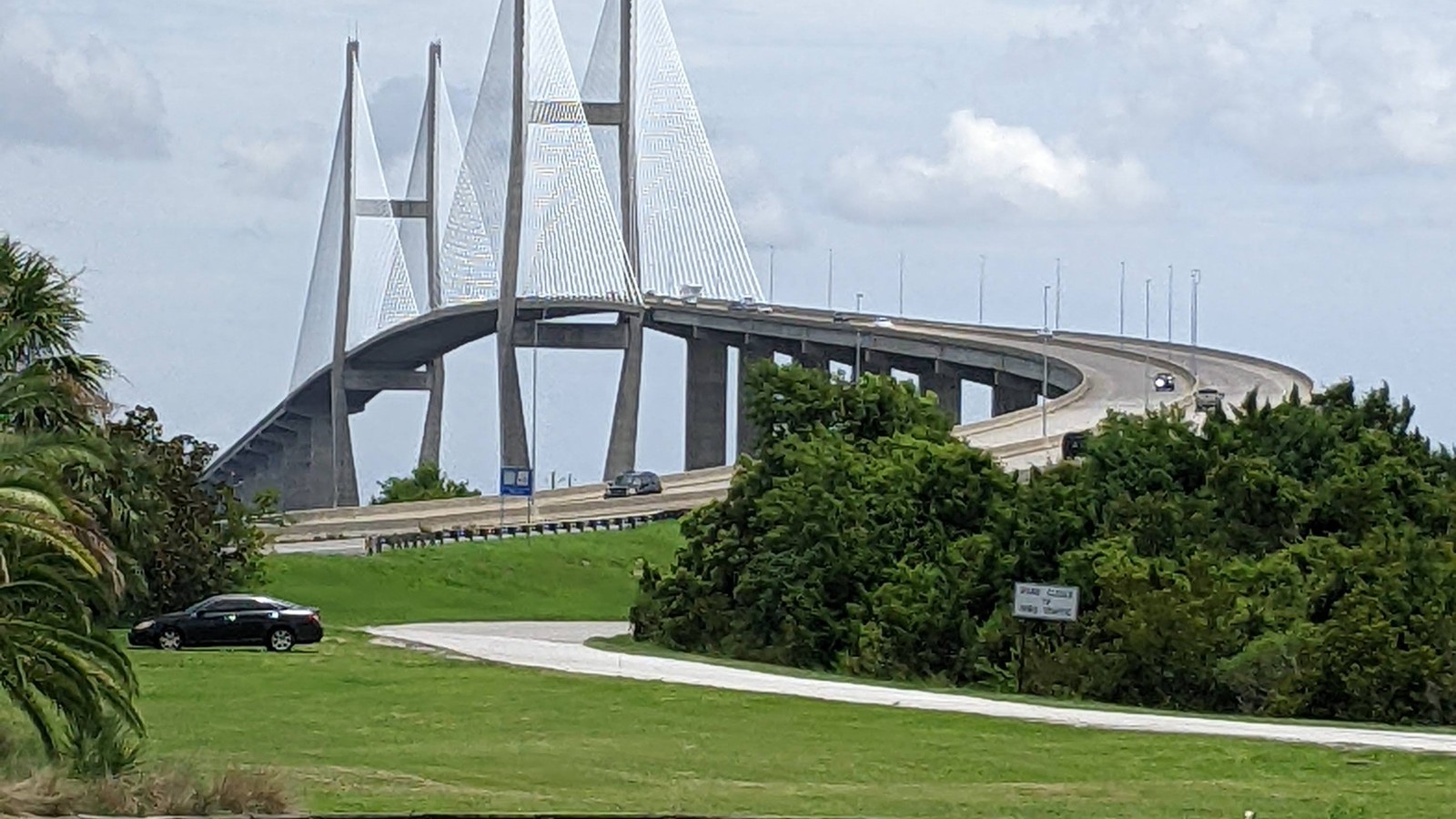
The approach onto Jekyll helps the trip feel distinct from the start. Marsh edges, open water, and the long bridge approach give the island a sense of separation that works in its favor. By the time you cross onto the island, the mainland pace has already faded and the scenery has taken over. That arrival sequence fits the park's overall personality. Jekyll has a self-contained feel, though it still stays close to Brunswick and the rest of the Golden Isles. You get the pleasure of heading somewhere that feels removed and scenic, along with the convenience of an easy coastal Georgia detour that stays friendly for a day trip.
The Historic District Still Carries Grand Coastal Scale
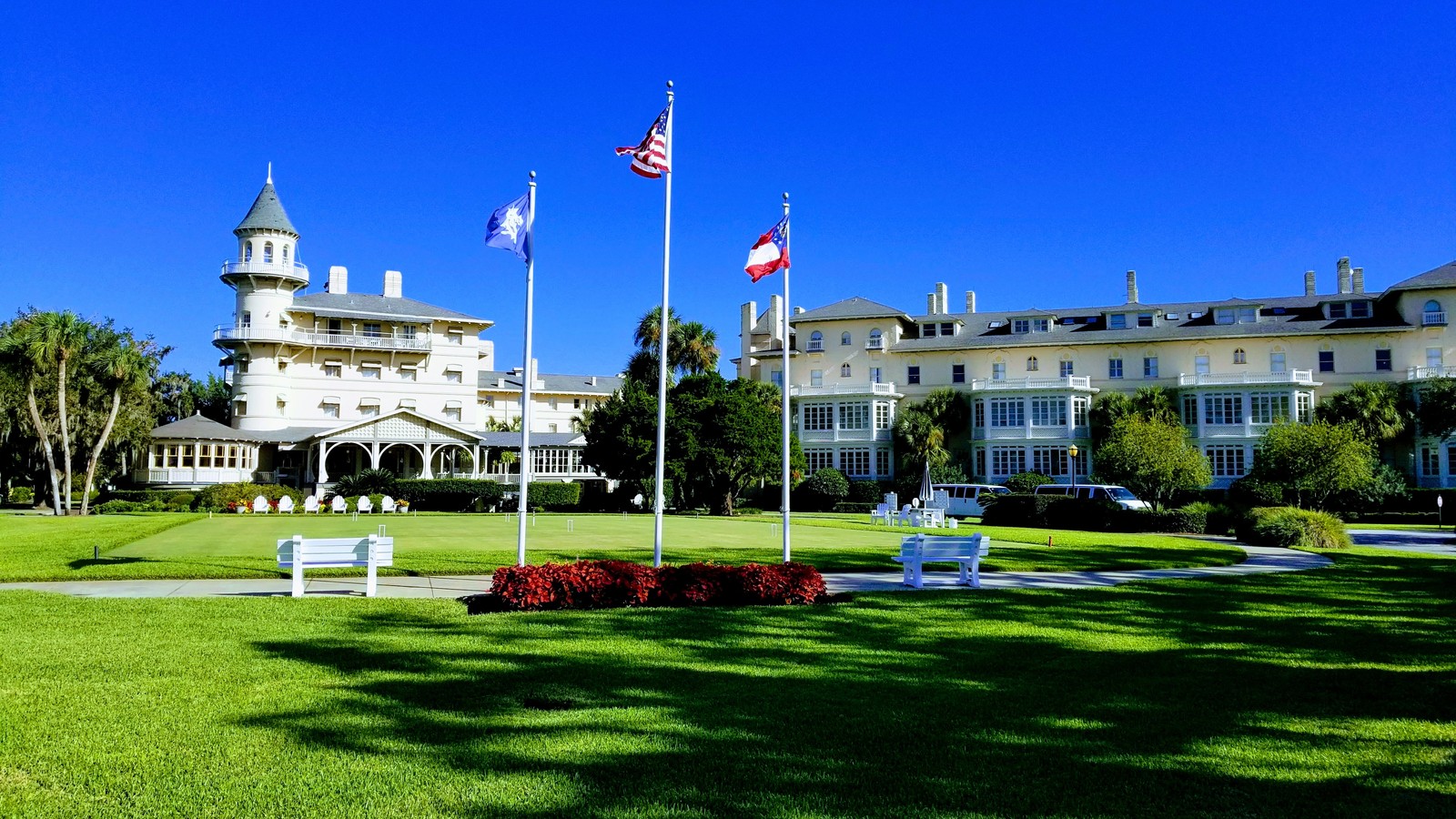
Jekyll Island's historic core adds a completely different layer to the park. The former club grounds still look expansive and elegant, with broad lawns, landmark buildings, and a layout that encourages slow wandering. It is easy to understand why the island became a winter retreat in the late nineteenth century. The architecture and open space still give the district a polished, retreat-like feeling.
The district covers 240 acres and includes 34 historic structures, which gives this section of the island real substance. You are moving through a full setting with cottages, museum spaces, chapel stops, walking routes, and guided options like the Landmark Trolley Tour. That scale makes the historic side of Jekyll feel like a destination inside the destination.
DuBignon Cottage Keeps The District Feeling Personal
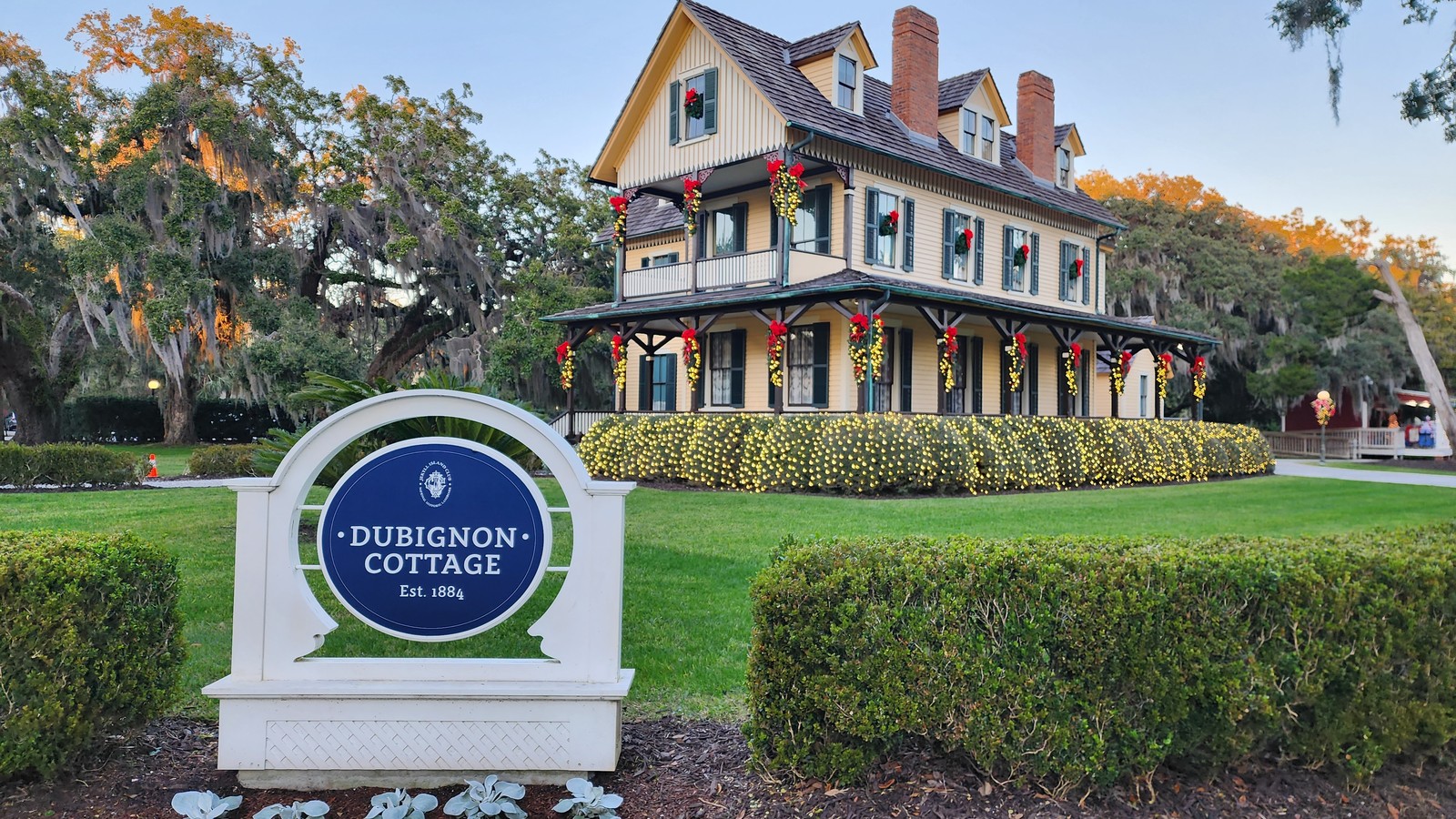
DuBignon Cottage brings the district down from grand clubhouse scale to something more intimate. The home dates to 1884, and its wraparound porch and compact footprint make the historic district feel residential in the most inviting way. It gives the area texture. One minute you are looking at broad lawns and hotel-style architecture, and the next you are standing in front of a cottage that feels more lived-in and story-rich.
That shift is a big reason the district stays engaging over a longer visit. The trolley tour schedule often includes cottage entry, and DuBignon is one of the named stops on the current island tour lineup. Even from the outside, it adds charm and variety to a walk through the district. The building helps the whole area feel layered and varied across the full historic loop.
Faith Chapel Adds Warmth And Craft To The Walk
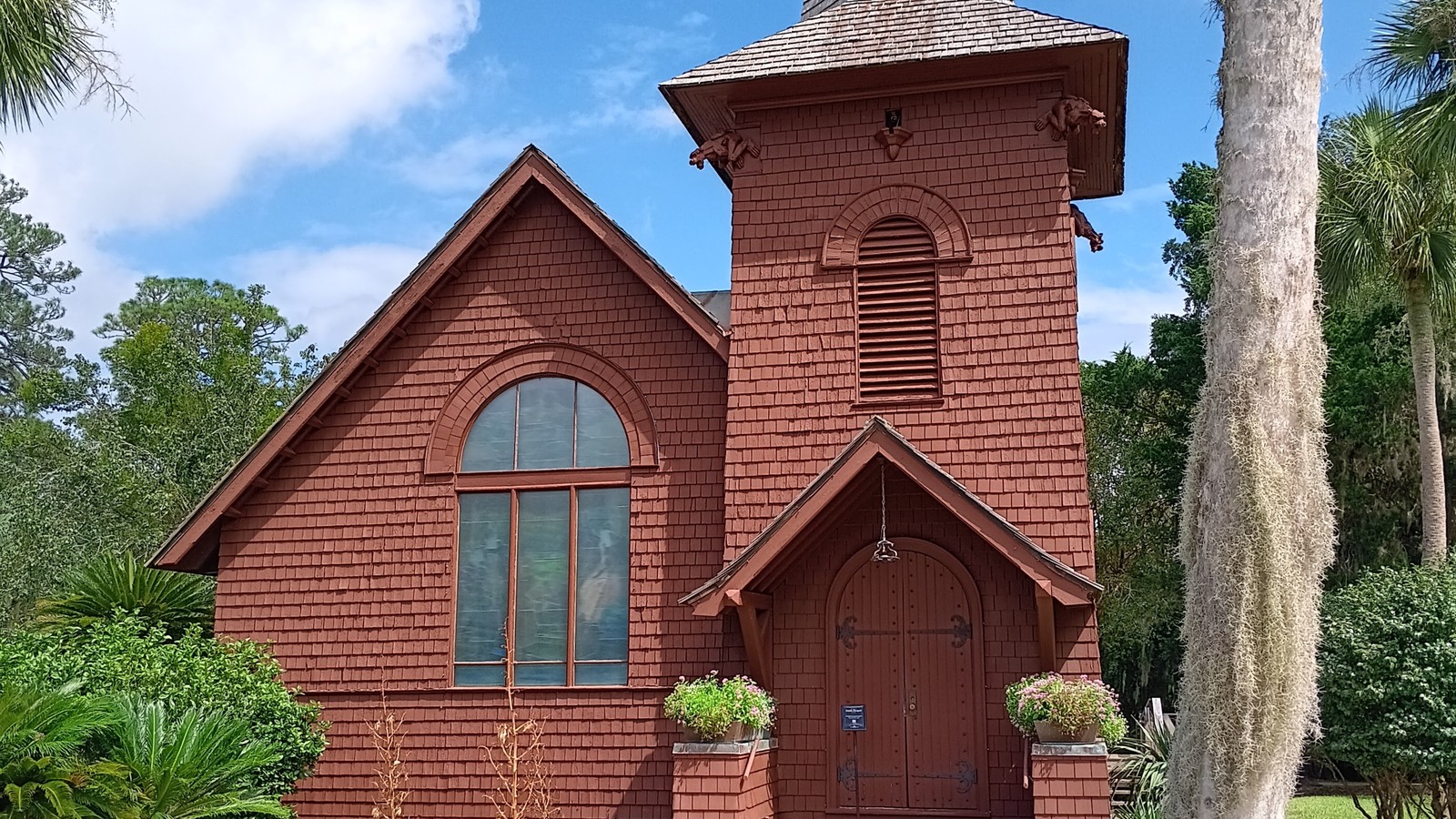
Faith Chapel is one of the island's most appealing smaller landmarks. Built in 1904, it gives the district a softer, handcrafted note with Gothic Revival character and a compact silhouette that sits beautifully among the trees and palms.
The chapel feels welcoming from the path, and it adds a sense of stillness to a district that already has plenty of visual appeal.
Its role in the island's story also deepens the stop. Faith Chapel replaced an earlier Union Chapel and continued a tradition of welcoming different denominations on the island. That broader sense of community gives the building extra weight within the district. It has beauty, though it also has a clear place in how the district evolved.
Horton House Reaches Back To The Island's Earliest Layers
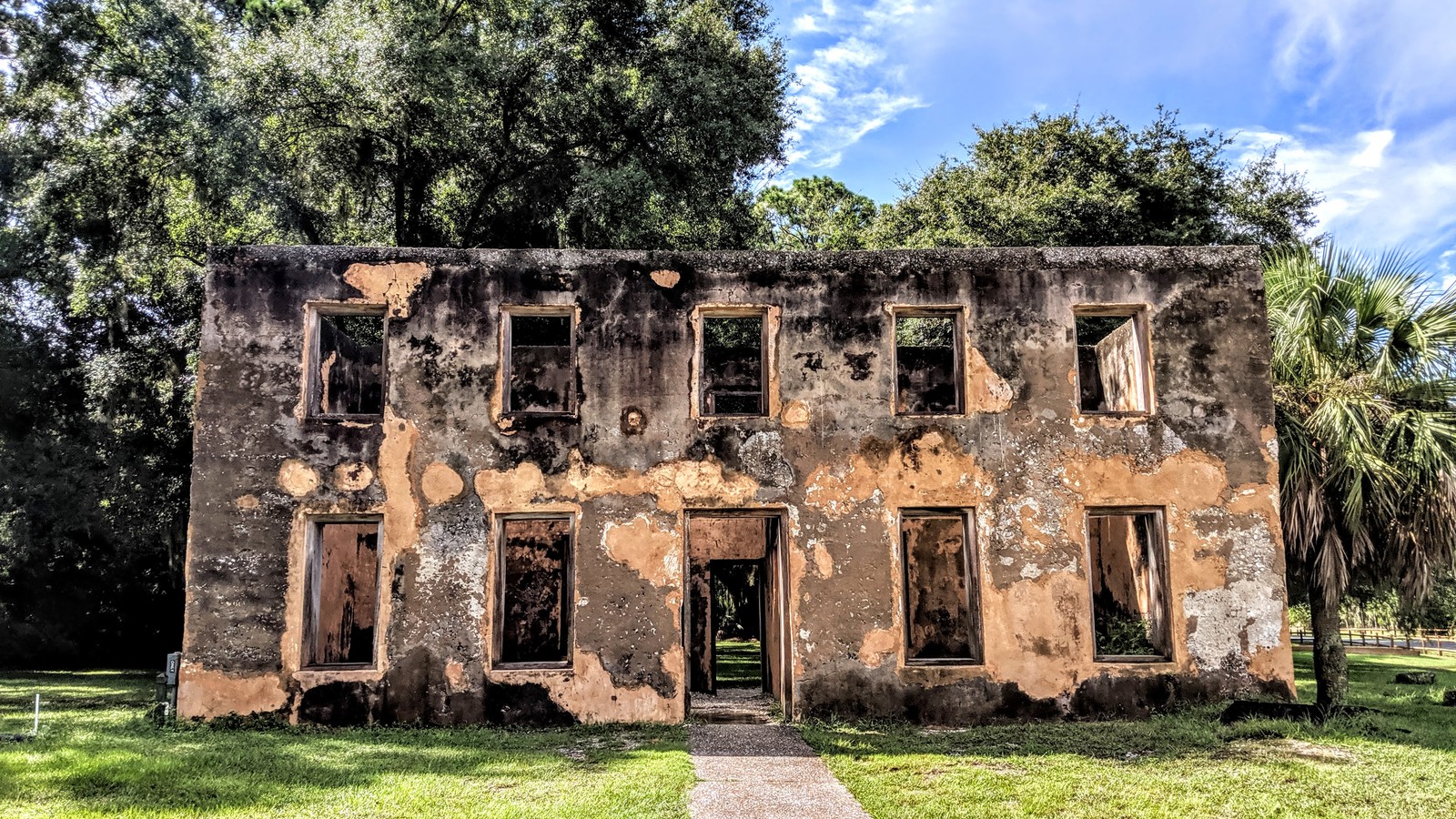
Horton House gives Jekyll a much older register of history than most visitors expect from a beach island. The surviving tabby shell dates to 1743, and the site is recognized as one of the oldest tabby buildings in Georgia. That age comes through immediately. The walls, openings, and weathered surface give the place a stark, elemental look that stands apart from the polished club-era section of the island.
It is one of the most rewarding stops for travelers who enjoy a park with historical range. Jekyll can give you driftwood at sunrise and Gilded Age lawns by midday, then send you to a colonial-era ruin in the afternoon. Horton House makes the island feel deeper and older, and it broadens the experience well beyond beaches and resort architecture.
The Oak-Shaded Lanes Make Wandering Feel Easy
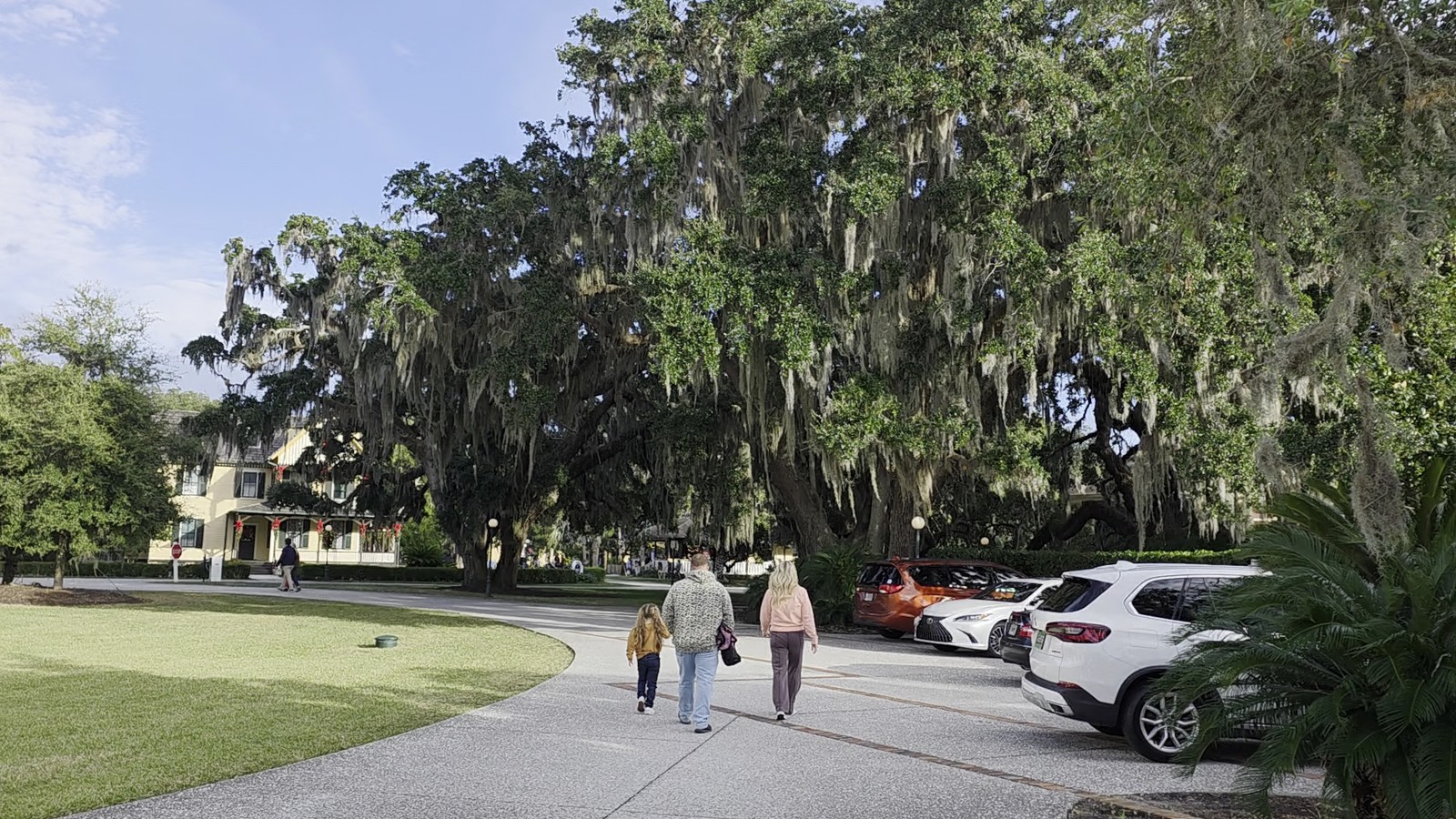
One of Jekyll's best qualities is how comfortable it feels to move through. More than 24 miles of picturesque paths and trails thread through the island, and the historic district is one of the most inviting stretches for a casual ride or a long stroll.
The live oaks draped with Spanish moss keep the route shaded and visually rich, and the broad curves of the roads make even a short wander feel leisurely.
That easy movement changes the entire pace of the visit. You are free to link beaches, museums, cottages, and overlooks into one long, low-stress outing. Travelers who enjoy seeing a place by bike tend to connect with Jekyll quickly, though the same path network also works beautifully for walkers who want a scenic stretch between bigger stops.
The Evening Boardwalk Brings The Trip Back To The Water
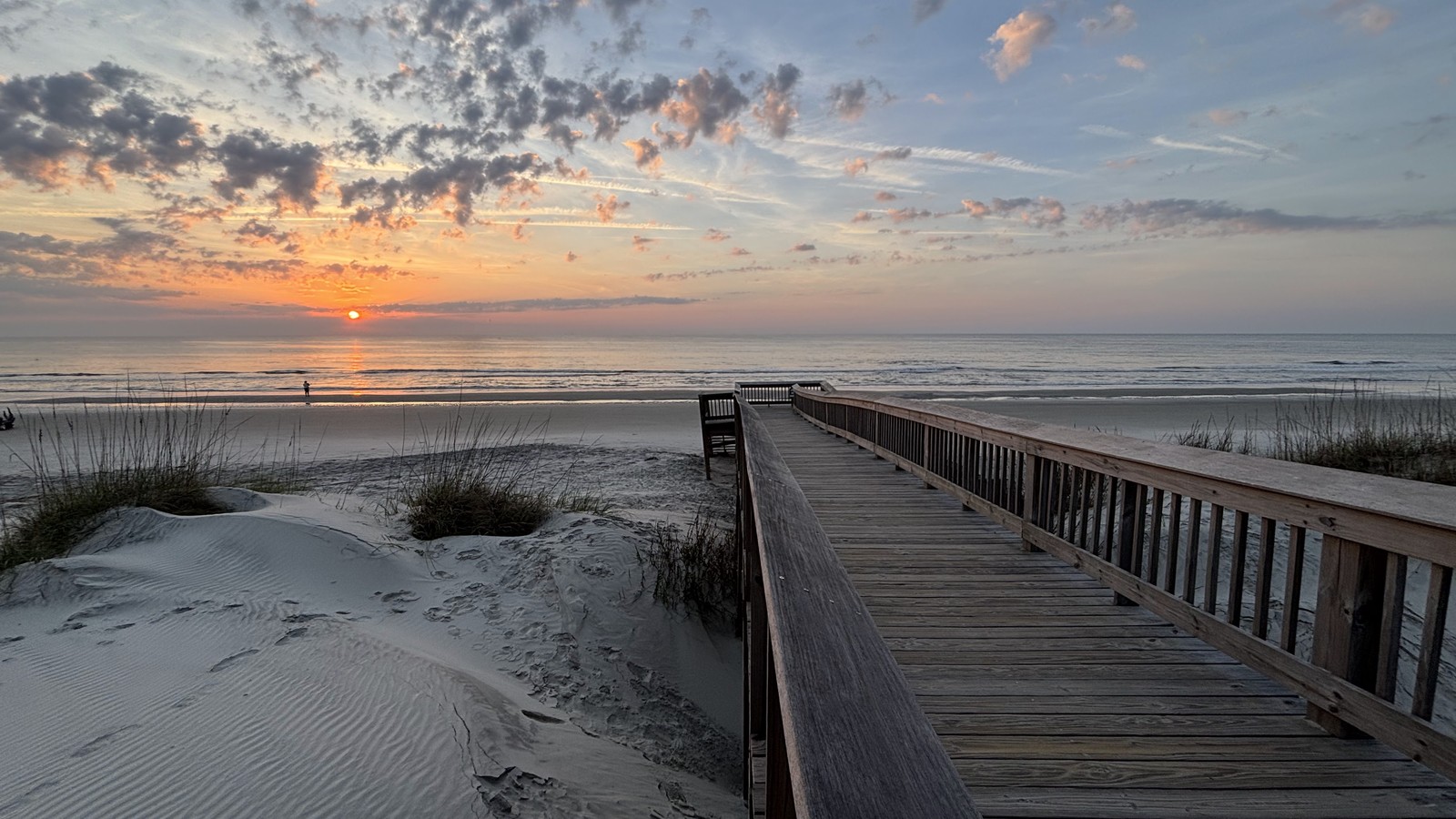
The boardwalk approach to the beach is a strong reminder that Jekyll's shoreline comes in several moods. The island's beaches range from Driftwood's sculptural shoreline to family-friendly stretches like Great Dunes Beach Park, and the transition from dune grass to open sand is part of the pleasure. At this hour, the light softens, the sea widens, and the island feels especially calm and spacious.
This is also a good moment to appreciate how much variety sits inside one park. Jekyll offers beaches, maritime forest, marsh views, bike routes, historic sites, golf, campgrounds, lodging, and Georgia's only rehabilitation center for endangered sea turtles. Very few stops on the Georgia coast gather all of that into one easy-to-navigate setting.
If you are planning a first visit, give yourself enough time to combine Driftwood Beach, the historic district, and at least one longer path or boardwalk stop. Budget for the $10 daily parking fee, keep the island map handy, and let the day unfold in sections. Jekyll Island State Park rewards that slower approach with one memorable view after another.